Your Cart is Empty
FREE local (SG) shipping 3-5 days (min. spend $100). No discount code needed.
Have you joined the Ukulele Movement? Shop, learn & play ukulele at Singapore's only ukulele specialty store!
We offer ukulele lessons & workshops, corporate workshops and team-building, and Singapore's widest range of ukuleles & accessories!

Happy Singles Day! Enjoy 20% storewide* discount on all things ukulele, stock up on your Christmas and holiday gift-giving now.
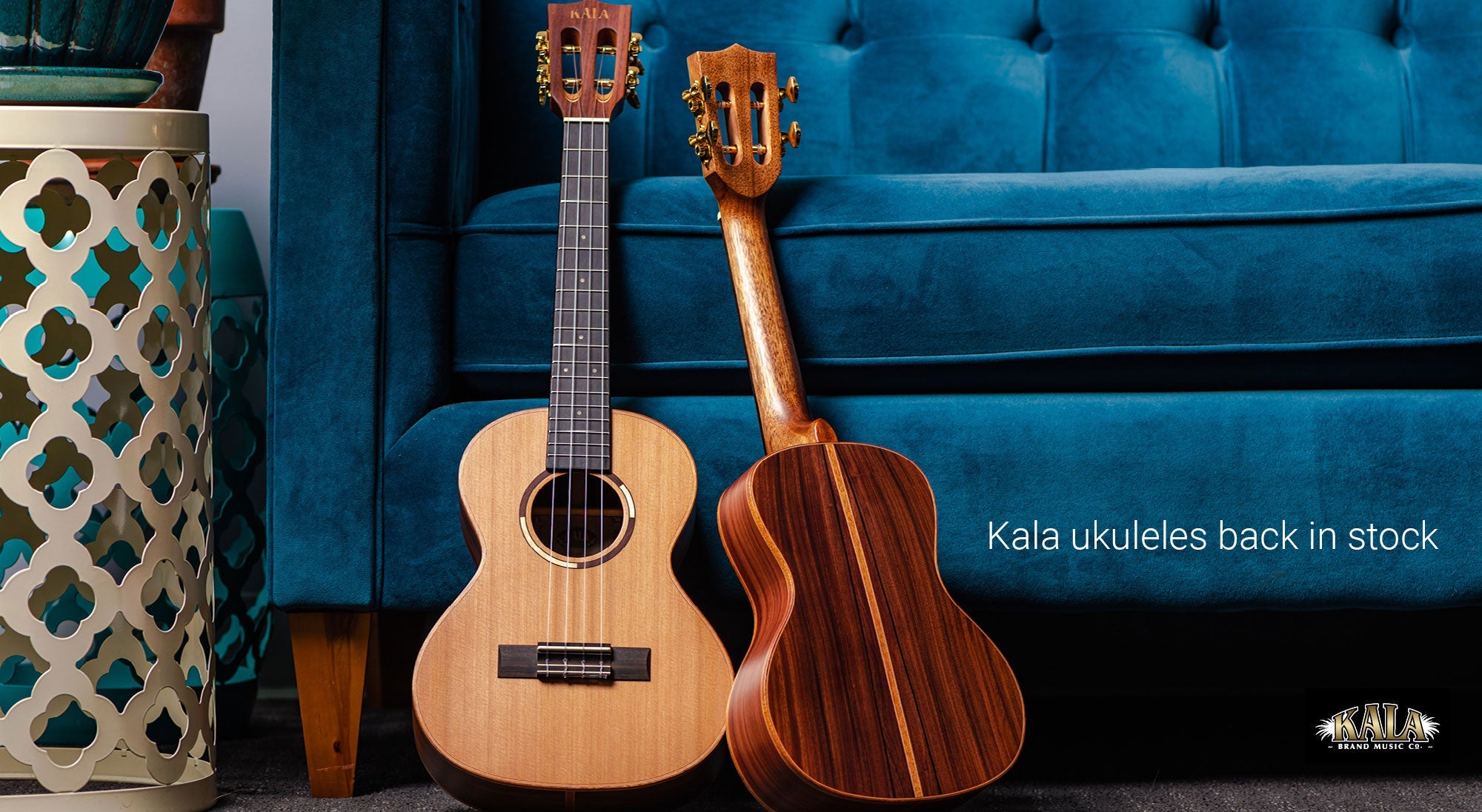
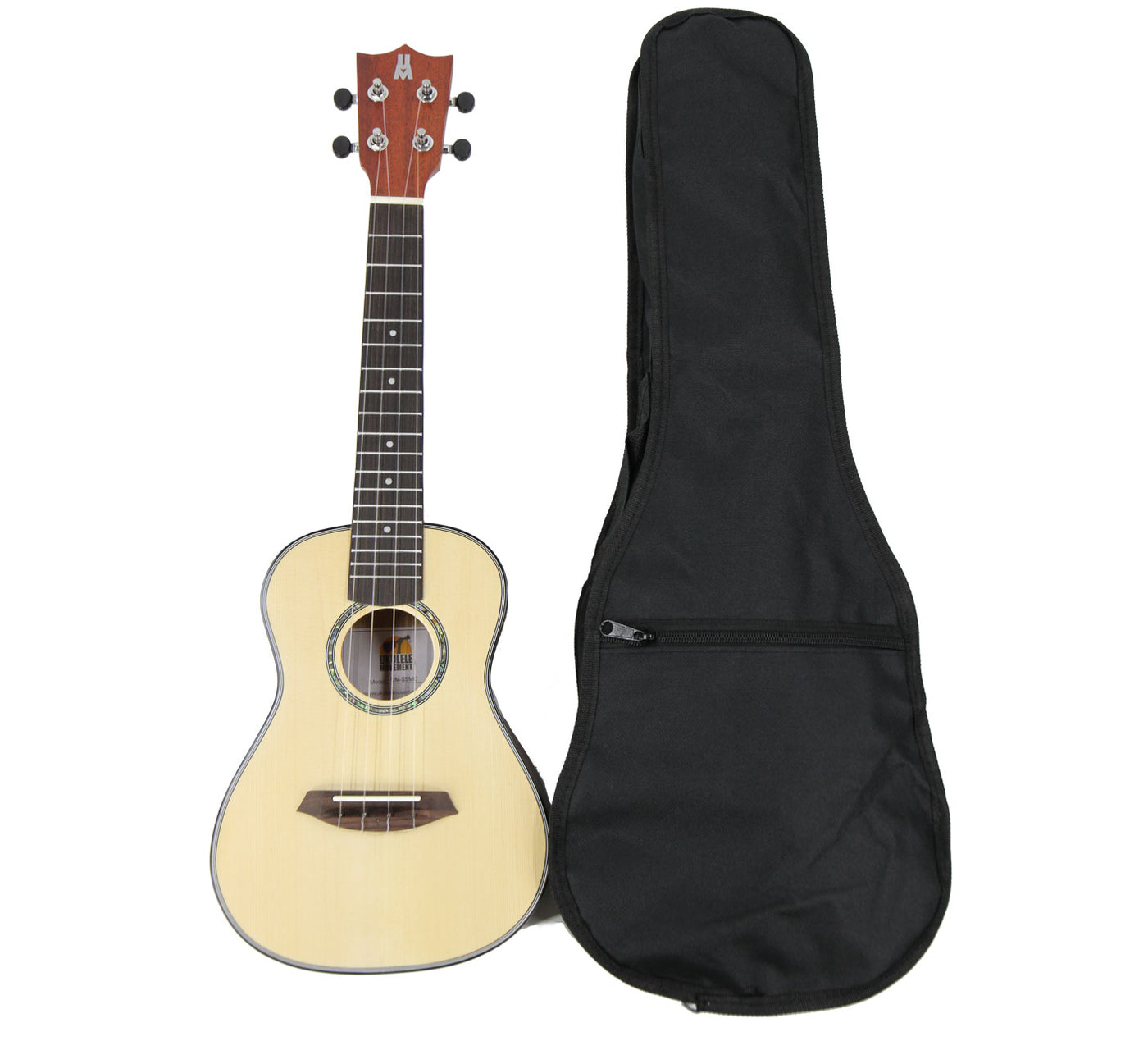
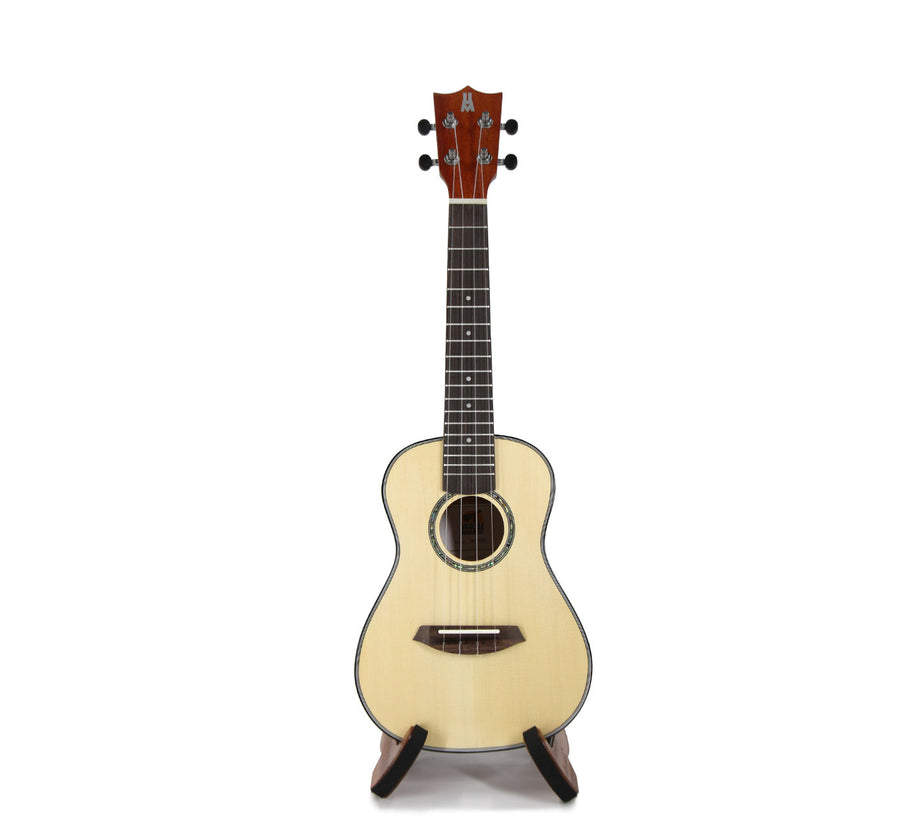
Whether you're a guitarist looking for a fun, portable instrument or a ukulele player seeking a new challenge, the baritone ukulele is an excellent choice. Its deep sound, versatile tuning, and easy playability make it a valuable addition to any musician’s collection.